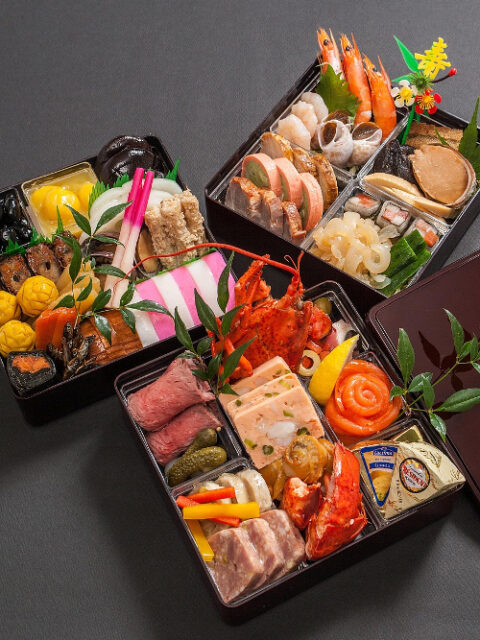
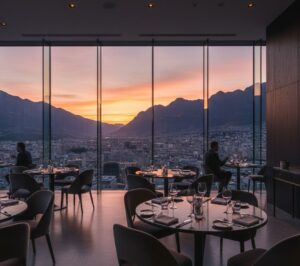
Sustainability has become a major focus in the restaurant industry. For restaurants, adopting sustainable practices is not only good for the planet but also helps reduce costs, build brand reputation, and attract loyal customers. Sustainability and responsibility will be at the core of successful restaurant management. Our sustainable model will encompass proper choosing of seasonal and locally available ingredients. We reduce wastage by designing a carefully thought menu and use of energy friendly methods in the kitchen and dining areas. Such initiatives not only minimize our ecological footprint, but also provide emphasis on the quality and authenticity of what we put on every plate. Through ensuring that we build good relationships with local producers and focus on transparency in our purchasing operations, we enhance the community ties. And we also create a responsible and memorable dining experience. https://ristorantelapista.com
Recent Posts
Curb Appeal on the Menu: Why Clean Exteriors Are Good for Business

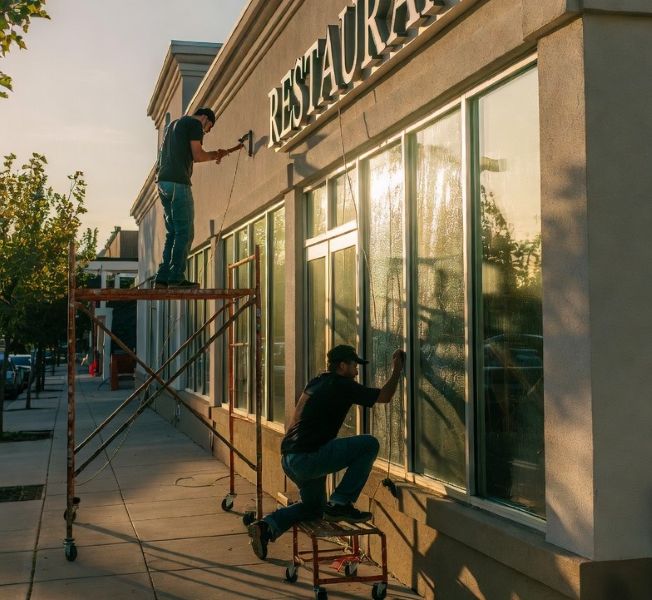
Research from the National Restaurant Association shows that a guest’s first impression is often formed before they even see a menu, shaped instead by cleanliness, lighting, and the overall exterior environment. That means the sidewalk, the signage, even the state of the patio chairs, they all speak long before the host does. And let’s be honest, no one gets excited about dining somewhere that looks like it survived a dust storm.
There’s a reason homeowners swear by a good house wash. It’s not just about vanity, it’s about preserving value and making a place feel inviting. Restaurants can borrow that same mindset. A clean facade, streak-free windows, and mold-free walls don’t just look nice, they quietly tell customers, “We care.” That message matters more than any chalkboard special.
First Impressions Start at the Curb
Picture this. You’re choosing between two cafés on the same street. One has spotless outdoor tables, bright paint, and plants that look alive. The other has sticky tabletops and a faint mystery smell drifting from the corner. You already know which one wins.
Outdoor aesthetics are part of the dining experience now. People take photos, linger longer, and even judge food quality based on surroundings. It might sound unfair, but it’s real. Clean exteriors create a sense of trust. If the outside is cared for, customers assume the kitchen follows the same standard.
Operators sometimes overlook this. Daily service gets busy, deliveries pile up, and suddenly the exterior becomes “we’ll deal with it later.” Later turns into months. By then, grime has already made an impression, and not the good kind.
Why Clean Exteriors Boost Business
Cleanliness outside directly supports brand perception. It tells a story about attention to detail. Even fast-casual spots benefit from this. A polished look can elevate a simple concept into something memorable. In fact, strong presentation works hand in hand with customer service in building restaurant loyalty, where every detail, from the entrance to the table, shapes how guests feel about their experience.
There’s also the hygiene angle. Organizations like the World Health Organization emphasize the importance of clean environments in reducing contamination risks. While most guidelines focus on interiors, exterior neglect can still attract pests or create unsanitary conditions that creep indoors. It’s all connected.
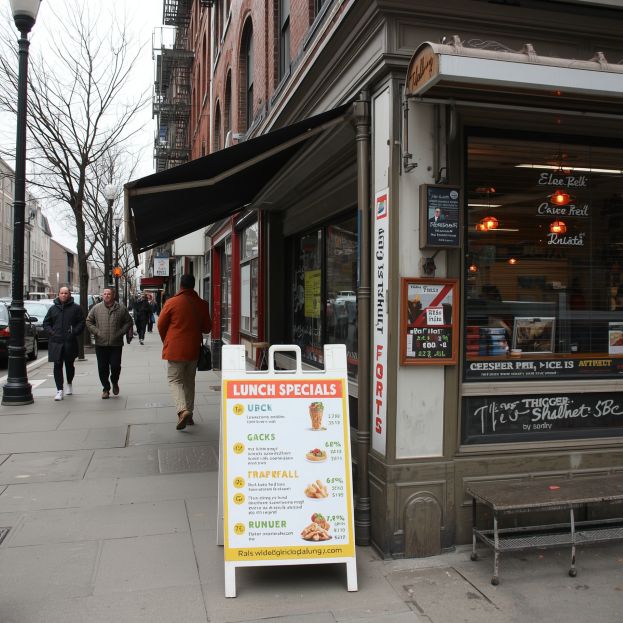
And then there’s foot traffic. A well-kept storefront naturally draws people in. It acts like a silent invitation. Bright signage pops more when it isn’t covered in dust. Outdoor seating feels more appealing when it’s actually clean enough to sit on without hesitation. These small wins add up.
Applying Residential Cleaning Habits to Restaurants
Homeowners tend to notice dirt quickly. A streak on a window, a patch of mildew on siding, it gets attention. That same awareness should exist in commercial spaces, though it often doesn’t.
Think of your restaurant like a home you’re proud of. Regular washing, wiping, and inspecting should be part of the routine, not a once-a-year scramble before inspections or big events. Even something as simple as rinsing down entryways weekly can prevent buildup that later becomes a bigger problem.
Seasonal deep cleaning matters too. Rain, pollution, and humidity can leave marks that daily cleaning won’t fix. This is where exterior cleaning strategies, similar to residential exterior care, come into play. They keep surfaces looking fresh and extend the life of materials.
Balancing Maintenance with Daily Operations
Here’s the tricky part. Restaurants are busy. No one wants to shut down a patio during peak hours just to scrub it down. But ignoring it completely isn’t an option either.
The solution is rhythm. Schedule light cleaning during slow periods, early mornings or late afternoons. Rotate tasks so staff aren’t overwhelmed. One day for windows, another for outdoor furniture, another for signage. It doesn’t have to be perfect every day, just consistent.
For bigger jobs, outsourcing can make sense. Professional exterior cleaning services can handle tougher tasks quickly, freeing your team to focus on service. It’s an investment, sure, but one that pays off in customer experience.
And don’t underestimate small habits. Wiping tables immediately after use, sweeping patios between rushes, and checking for spills or stains throughout the day can keep things from spiraling. It’s the difference between maintenance and damage control.
The Outdoor Experience Matters More Than Ever
Dining has changed. People love outdoor seating, open-air spaces, and casual street-side vibes. These areas are no longer optional extras, they’re part of the core offering.
A neglected patio can ruin an otherwise great meal. On the flip side, a clean, well-kept outdoor area can become the reason people return. It’s where conversations linger, photos get taken, and memories are made.
Keeping these spaces clean isn’t complicated, but it does require intention. Treat them as extensions of your dining room, not afterthoughts.
Clean Outside, Strong Inside
A restaurant’s exterior sets expectations. It shapes how customers feel before they even sit down. Clean spaces build trust, attract attention, and support hygiene standards in subtle but powerful ways.
Borrowing ideas from residential care, like consistent upkeep and periodic deep cleaning, can transform a storefront. Even adopting practices similar to a proper house wash approach helps maintain that fresh, welcoming look over time.
At the end of the day, people eat with their eyes first. And sometimes, those eyes start judging right there on the sidewalk.
The Importance of EMT Savings in the Food Industry
Emergency Medical Technicians work under a lot of pressure and they have very minimal time to rest. An EMT coupon and promo finder will offer fast, dependable savings. It will help to sustain daily nutrition and comfort, two key elements in a fast-paced, stressful career.
Food Ambulance in Emergency Care
EMTs are anchored on strength, concentration, and energy. The low cost of food contributes to physical preparedness throughout long shifts. Discounts keep the quality food affordable so that even in cases where schedules are uncertain the place will be available.

A coupon and promo finder EMT makes it easy without requiring professionals to go out of their way to find verified offers.
Matters of Convenience in High-Stress Jobs
Time is a constraint that is very important to EMTs. Electronic discounting applications simplify the process of gaining discounts. It enables the responders to concentrate on patient care without having to search the web to find discounts. Productivity is incorporated in support.
Definitive Financial Assistance via Everyday Meals
The meals out often do not help budgets. Regular savings will save on long-term costs and will aid the EMTs to contain their finances and consume appropriate nutrition.
Enhancing Local Food Interconnectedness
Food establishments also enjoy loyalty and repeat patronage when EMTs use exclusive offers in eating. This mutual relationship enhances the attachment of the community between the service professionals and the local businesses.
Appreciating the Food Philosophies
There are articles that are related to food that tend to meet people through how it helps them to find consolation in hard times. The appreciation of how food is used to maintain resiliency and well-being can be enhanced by reading about culinary culture and hospitality.
Conclusion
A coupon and a promo finder is not a saving but rather a help. These programs allow EMTs to remain focused and energized. They may also feel valued during every shift by keeping them fed on affordable meals.
Restaurants and Multimedia Entertainment: A New Way to Dine and Enjoy
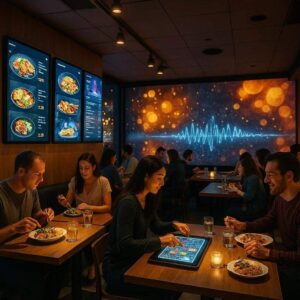
Dining out has changed in many ways over the past few years. People no longer go to a restaurant only for food. They now look for an experience that feels fun, engaging, and worth sharing. This is where multimedia entertainment comes in. Many restaurants are adding screens, digital art, music, and interactive tech to create a more enjoyable visit. It helps them stand out and gives guests something to remember beyond the menu.
Multimedia entertainment is now a part of daily life. It blends videos, sounds, and digital features in simple ways. When used well in restaurants, it makes each visit feel more lively. It can help guests feel welcome, keep them entertained, and make the place look modern. It also helps restaurants attract younger customers who enjoy new forms of interaction. Because of this, more owners see it as a smart investment.
How Restaurants Use Multimedia to Enhance the Experience
Many restaurants now use screens to display dishes, messages, and short videos. These visuals help set the mood. They can show the story of the restaurant, behind-the-scenes cooking, or simple animations that match the theme. For example, a seafood restaurant may show calming ocean clips. A family diner may show fun cartoons for kids. These little touches make the environment more engaging.
Music is also a key element. Restaurants use playlists or digital sound systems to match the time of day. During lunch, they may choose upbeat rhythms. During dinner, they may play something softer. Some places even use interactive jukebox screens where guests can pick a song. This helps guests feel more involved in their experience.
Some restaurants also use wall projections. These can change the look of a room without major renovations. They can display colors, moving patterns, or scenes that match the event. For example, a holiday theme can turn a simple dining space into a festive area. This makes the restaurant feel fresh and memorable.
The Rise of Interactive Dining
Interactive dining is one of the most exciting trends. It mixes technology with simple activities that guests enjoy. One example is digital menus where guests browse dishes through large tabletop screens. This removes the need for printed menus and makes ordering faster. It also lets people see photos of each dish before they choose.
Another example is gaming tables for kids and teens. These tables have touch-screen games that keep young guests busy while waiting for food. It reduces boredom and creates a more relaxed environment for parents. Some restaurants add multiplayer games for adults as well. This makes the dining experience more fun for groups of friends.
A few places even combine food with virtual worlds. They might project animated stories onto the table while the meal is served. This creates a show that pairs with the food. It is simple but very engaging. Many guests enjoy this kind of dining because it feels new and playful.
How Multimedia Helps Restaurants Stand Out
The restaurant industry is very competitive. People have many choices, so businesses must offer something unique. Multimedia entertainment helps them build a strong brand. It makes the space look different, and it sets a tone that guests remember.
It also supports social media marketing. When guests see something fun or visually appealing, they often take photos or videos. They share these moments online, which helps promote the restaurant without extra cost. A bright screen, a fun projection, or an interactive table often becomes a top shareable moment.
Multimedia also helps improve customer flow. Digital screens can show waiting lists, table availability, and announcements. This makes the system more organized. Guests understand what is happening, and the staff can focus on serving food. Simple tools like these can make the entire operation smoother.
For themed restaurants, multimedia supports the storytelling. It creates a setting that matches the concept. For example, a retro-style diner can use old music videos. A modern café can use digital art. A sports bar can show multiple games at once. All these help build the identity of the business.
What Guests Expect Today
Guests now expect more than food and service. They want comfort, fun, and a sense of connection. Multimedia entertainment offers all of these without turning the place into a noisy arcade. The key is balance. The tech should support the experience, not take over the meal.
People also like features that make their visit easier. They enjoy clear screens that show menus, promos, or helpful info. They appreciate music that matches the mood. They enjoy small interactive features that can keep them relaxed. These elements make dining smooth and satisfying.
Families expect child-friendly features. Young guests enjoy simple games, bright screens, or playful animations. Adults expect something more refined. This is why many restaurants use soft visuals and easygoing music at night. Restaurants now think of all age groups when planning their space.
Customers also expect shareable moments. They want spots where they can take photos or videos. This is why many places add digital backdrops or themed display areas. These areas help promote the restaurant while giving guests something fun to do.
Financial Management Culinary Skills and Customer Service
Financial management is the backbone of restaurant success. While culinary skills and customer service are vital, without strong control over finances, a restaurant risks failure. Proper budgeting, cost control, cash flow monitoring, and financial analysis allow owners to operate efficiently, maximize profits, and build a sustainable business.
Key Points Of Budgeting and Planning
Creating a clear financial plan helps owners anticipate costs and set realistic revenue goals. A well-prepared budget allows better control over expenses and prevents overspending.
Health, Safety, and Sanitation Practices in Restaurants
Health, safety, and sanitation are the backbone of any successful restaurant. Beyond offering delicious meals, restaurants are responsible for protecting customers and employees from risks such as foodborne illnesses, workplace accidents, and unsanitary conditions. Strong health and safety practices not only comply with regulations but also build customer trust and maintain a restaurant’s reputation.
Financial Management for Restaurant Success
Running a restaurant is not only about serving great food—it’s also about managing money wisely. Financial management is one of the most important factors that determine whether a restaurant thrives or fails. From budgeting and cost control to pricing strategies and profit tracking, strong financial management ensures sustainability, growth, and long-term success in a competitive industry.
Importance of Customer Service in Building Restaurant Loyalty
In the restaurant industry, great food alone is not enough to guarantee success. Customer service plays a central role in shaping how guests perceive their dining experience. Excellent service fosters satisfaction, builds trust, and encourages repeat visits, making it one of the most powerful tools for building customer loyalty.
The Role of Leadership in Effective Restaurant Management
Leadership plays a vital role in the success of any restaurant. Beyond serving good food, restaurants thrive when managers and owners can inspire their staff, create a positive work environment, and maintain high standards of service. Effective leadership ensures that operations run smoothly, employees stay motivated, and customers enjoy a consistent and satisfying experience